Wine and Food Tourism for Russian Speaking Guests.
09 August, 2023· Artikel von David Brown


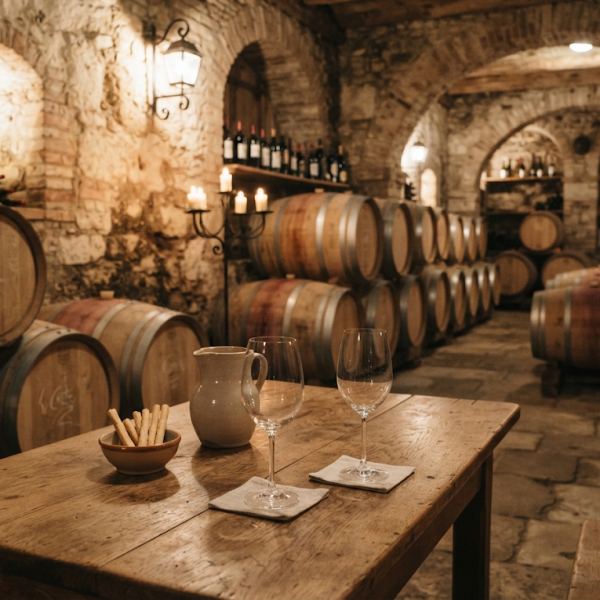
Wine and food tourism is growing fast, and small producers now welcome visitors from every corner of the world. A family winery in Georgia, a cheese maker in Moldova or a restaurant in Tbilisi may host guests from Russia and Russian-speaking communities abroad in the same week as visitors from Germany or the United States. A tasting experience is only as good as the story told around it, and that story is lost when guests cannot read the menu, the tour description or the safety notes. This guide explains how producers and tour operators can prepare wine and food tourism content for Russian-speaking guests.
Know Your Visitors
Russian-speaking travellers include families, couples, business groups and food enthusiasts, and their expectations differ. Many appreciate detailed explanations of origin, grapes and traditions, along with a warm, hospitable atmosphere. The World Tourism Organization publishes research on gastronomy tourism at unwto.org, which helps businesses understand how travellers choose experiences and what they value.
Websites and Booking Pages
The first contact with a guest is usually a website. Tour descriptions, prices, schedules, cancellation rules and meeting points must be clear in Russian. Avoid copying an English text word for word, since marketing phrases often sound unnatural. Include practical details such as transport, accessibility, the duration of the tour and what is included in the price. A clear booking page reduces emails and increases confidence.
Menus and Tasting Notes
Menus carry the most delicate language. Grape varieties, wine styles, cooking methods and ingredient names must be correct, since guests often search for them later. Tasting notes should describe aromas and flavours in words that Russian readers actually use. A provider of russian translation services with experience in food and hospitality can adapt these texts so that they sound natural rather than literal, and can keep terminology consistent across menus, labels and brochures.
Allergens and Dietary Information
Guests with allergies or dietary needs rely on accurate information. State the main allergens in Russian, and mark vegetarian, vegan and gluten-free dishes clearly. Explain how dishes are prepared, since hidden ingredients such as nuts or dairy can be a risk. Staff should be able to answer questions, or to show a printed card in Russian. Accuracy here protects guests and protects your business.
Stories, Heritage and Culture
Wine and food are tied to history. Guests enjoy stories about the family, the vineyard, local legends and traditional methods. Write these stories in a warm, natural voice, and avoid exaggerated claims. Check dates, names and places carefully, and explain local words rather than leaving them untranslated. A good story gives the guest something to repeat to friends, which is the best marketing a small producer can have.
Guides and Interpreters
On a live tour, a guide who speaks Russian offers the best experience. If you work with an interpreter, brief them on technical vocabulary and the flow of the visit, and give them time to taste and prepare. For help in choosing the right professional, see this article on interpreter vs translator. Short sentences and pauses make interpreted tours more enjoyable for everyone.
Signs, Labels and Printed Materials
Visitors read signs, bottle labels and leaflets. Provide Russian versions of directional signs, safety notices and information boards, using clear fonts that support Cyrillic. Labels for export must follow legal rules of the destination market, which may require specific wording on alcohol content and warnings. Check the requirements with a local adviser before printing large batches.
Reviews and Social Media
Travellers share experiences on review sites and social networks, often in their own language. Monitor reviews in Russian, thank guests and answer questions politely. Posts on social media should use natural wording and local hashtags. Encourage guests to share photos, and respond quickly, since a prompt reply shows respect and builds loyalty.
Plan for Growth
Start with the most important pages, such as the booking page and menu, and then expand. Keep a glossary of wine and food terms in both languages, and reuse it for new products and seasons. Ask Russian-speaking guests for feedback, and improve each season. A well prepared multilingual offer turns a pleasant visit into a lasting relationship with the producer and the region.
Pairings, Seasons and Events
Harvest festivals, cellar open days and seasonal menus attract visitors, and each event needs its own announcement in Russian. Describe the programme, the price, the languages available and what guests should bring. Explain pairing suggestions in plain words, so that guests understand why a certain cheese or dish suits a certain wine. Photos of the event, with short captions in Russian, make later posts more engaging.
Payments, Gift Vouchers and Policies
Make sure that payment pages, voucher terms and refund policies are available in Russian, with clear dates and amounts. Guests who book a tasting for a group or as a gift need to know how to change a date, what happens in case of bad weather and how to contact you. Clear rules, written in simple language, prevent complaints and show that your business respects its customers.
Neueste Beiträge

Certified Translation in the U...

Interpreter or Translator for ...

Traduceri legalizate pentru ac...

How to Prepare Russian Documen...

What Good Indonesian Translati...

Certified Translation for Univ...
Teilen Sie es.

Links
Wir verwenden Cookies
Wir verwenden Cookies, um Ihnen die beste Nutzung zu bieten, Ihre Einstellungen zu speichern und zu verstehen, wie die Website genutzt wird. Sie können alle Cookies akzeptieren, optionale ablehnen oder Kategorien einzeln wählen.
DatenschutzrichtlinieCookie-Einstellungen
Wählen Sie, welche Cookies wir verwenden dürfen. Notwendige Cookies bleiben aktiv, weil die Website ohne sie nicht funktioniert.
Weitere Informationen finden Sie in unserer Datenschutzrichtlinie.